
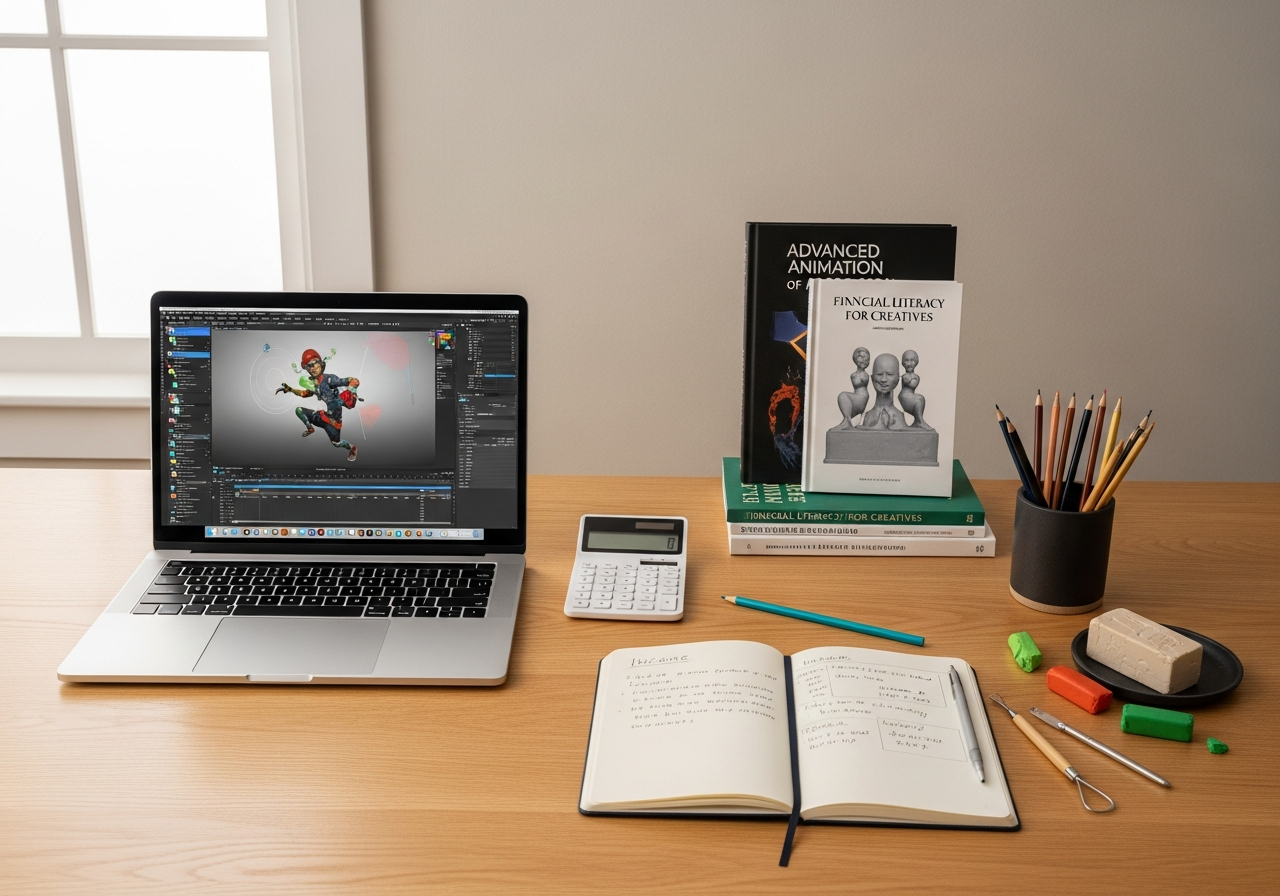
Ontario has become a powerhouse for 3D animation education, attracting students from across Canada and internationally. With world-class institutions and a thriving creative industry that includes major studios and emerging tech companies, the province offers exceptional opportunities for aspiring animators. The combination of strong academic programs, industry connections, and post-graduation work opportunities makes Ontario an attractive destination for animation studies.
This comprehensive guide provides a practical, step-by-step approach to budgeting for a two-year 3D animation diploma in Ontario. We’ll break down all the essential costs you need to consider—from tuition fees and living expenses to specialized hardware and software requirements. Whether you’re a domestic student planning your educational investment or an international student navigating visa requirements and proof-of-funds documentation, this guide will help you create a realistic budget that covers your complete two-year journey.
Understand the Real Cost of a Two-Year 3D Animation Diploma in Ontario
A two-year 3D animation diploma in Ontario involves multiple cost layers that extend far beyond basic tuition fees. The total investment typically includes tuition, living expenses, specialized hardware, software licenses, and various program-specific supplies. When combined, these expenses can easily reach the mid-five-figure range, making careful financial planning essential for success.
Understanding these cost components upfront helps prevent financial stress during your studies and ensures you can focus on developing your creative skills. Programs at institutions like George Brown College and others across Ontario have established strong industry reputations, but this quality comes with corresponding financial commitments that vary significantly between domestic and international students.
The investment in a 3D animation diploma represents both immediate costs and long-term career potential. However, without proper budgeting, students often find themselves struggling to afford essential equipment or falling behind on tuition payments, which can impact both academic performance and graduation timelines.
How Ontario 3D Animation Diplomas Are Structured
Most Ontario 3D animation programs follow a consistent two-year structure spanning four semesters with intensive studio-based learning. These programs typically combine theoretical coursework with hands-on project work, requiring significant time commitments and access to professional-grade equipment. The curriculum often includes modeling, texturing, rigging, animation, lighting, and compositing modules that build progressively throughout the program.
The studio-heavy nature of these programs means students spend considerable time on campus using specialized labs and equipment. This structure influences both direct costs through lab fees and indirect costs through extended campus presence requiring meal plans and transportation. Total program costs often range from CAD 25,000 to CAD 60,000 depending on the institution type and student residency status.
Why Budgeting Matters Before You Apply
Under-budgeting for animation studies creates cascading problems that can derail academic progress and career goals. Students who haven’t planned adequately often struggle to purchase required software, upgrade outdated equipment, or maintain consistent attendance due to part-time work obligations. Early budgeting also enables better decision-making when choosing between programs and locations.
For domestic students, proper budgeting facilitates effective OSAP planning and scholarship applications, maximizing available financial aid. International students face additional pressure as visa applications require proof-of-funds documentation, and under-estimating costs can lead to application rejections or financial hardship once studies begin.
Compare Tuition Ranges for Two-Year 3D Animation Diplomas in Ontario
Tuition costs vary dramatically between public colleges and private institutions, with additional significant differences between domestic and international student rates. Public colleges typically offer more affordable options for domestic students, while private academies often provide smaller class sizes and specialized equipment access at premium pricing.
Understanding these ranges helps narrow down realistic program options based on your budget constraints. The following comparison illustrates typical tuition ranges across different institution types and student categories, providing a foundation for your budget planning.
| Program Example (Ontario / Canada) | Credential & Duration | Approx. Tuition Range (Domestic, 2 years) | Approx. Tuition Range (International, 2 years) | Notes (Location, Facilities) |
|---|---|---|---|---|
| Ontario Public College | Diploma, 2 years | CAD 16,000 – 22,000 | CAD 32,000 – 48,000 | Toronto/GTA, industry-standard labs |
| Private Animation Academy | Diploma, 2 years | CAD 28,000 – 35,000 | CAD 35,000 – 45,000 | Downtown location, smaller classes |
| Regional Ontario College | Diploma, 2 years | CAD 14,000 – 20,000 | CAD 28,000 – 38,000 | Lower living costs, growing facilities |
| University Animation Program | Certificate, 2 years | CAD 24,000 – 30,000 | CAD 45,000 – 65,000 | Research focus, advanced equipment |
| Specialized 3D Institute | Diploma, 2 years | CAD 32,000 – 42,000 | CAD 38,000 – 50,000 | VFX industry connections, premium software |
Domestic vs. International Tuition: What Changes in Your Budget
The gap between domestic and international tuition typically ranges from 2x to 3x the base cost, fundamentally altering budget requirements for international students. This difference stems from government subsidies available only to domestic students, making public colleges particularly cost-effective for Canadian residents. International students face the full cost of education plus additional fees for services like international student support and mandatory health insurance.
These multiplied costs significantly impact two-year budget planning, often pushing total educational expenses into the CAD 80,000 to CAD 120,000 range for international students. Additionally, tuition rates change annually, typically increasing by 3-7% per year, so students should verify current rates and build inflation adjustments into their budgets. Early application and deposit payments can sometimes lock in current-year rates for future semesters.
Estimate Your Living Costs in Ontario for Two Years
Living expenses represent a major budget component that varies dramatically based on location choice within Ontario. Students attending programs in Toronto and the Greater Toronto Area face significantly higher costs for housing, food, and transportation compared to those studying in smaller cities like Kingston, Peterborough, or Thunder Bay.
Beyond basic living expenses, animation students encounter unique costs including extended lab access requiring late-night campus presence, higher food costs due to irregular schedules, and health coverage requirements. Understanding these location-specific and program-specific expenses helps create realistic monthly budgets and inform decisions about where to study.
| Expense Category | Monthly Estimate (Smaller Cities) | Monthly Estimate (Toronto/GTA) | Examples & Notes |
|---|---|---|---|
| Housing (shared accommodation) | CAD 600 – 900 | CAD 1,200 – 1,800 | Includes utilities, varies by proximity to campus |
| Food & groceries | CAD 350 – 450 | CAD 450 – 650 | Mix of cooking and campus dining |
| Transportation | CAD 80 – 150 | CAD 150 – 200 | Public transit, student discounts available |
| Health & personal care | CAD 100 – 150 | CAD 120 – 180 | Insurance, dental, vision, prescriptions |
| Entertainment & social | CAD 150 – 250 | CAD 200 – 350 | Movies, dining out, student activities |
| Clothing & miscellaneous | CAD 100 – 200 | CAD 150 – 250 | Seasonal needs, personal items, emergencies |
| Books & supplies | CAD 50 – 100 | CAD 50 – 100 | Art supplies, storage devices, printing |
Housing Options Near Ontario Animation Schools
- Campus residence halls: Typically CAD 800-1,400 monthly, includes utilities and internet, offers community experience but limited privacy and cooking facilities
- Shared rental apartments: CAD 700-1,600 monthly depending on location, provides more independence and kitchen access, requires roommate coordination and lease commitments
- Homestay programs: CAD 600-1,200 monthly including meals, ideal for international students needing cultural support, may have restrictions on guests and schedules
- Studio apartments: CAD 1,200-2,500 monthly for complete privacy, higher cost but maximum flexibility for irregular animation student schedules
- Student housing cooperatives: CAD 500-900 monthly, community-focused living with shared responsibilities, often located further from campus requiring longer commutes
Transportation, Food and Everyday Essentials
Student transit passes provide significant savings, with monthly costs typically 40-50% lower than regular adult fares in most Ontario cities. Many animation programs require late-night lab access, making proximity to campus or reliable 24-hour transit connections important budget considerations. Walking or cycling can eliminate transportation costs but may not be practical during Ontario’s winter months.
Food costs can be managed through strategic grocery shopping, meal planning, and taking advantage of student discounts at campus dining facilities. Animation students often experience irregular eating schedules due to project deadlines, making convenient but expensive food options tempting. Building buffer amounts into food budgets helps accommodate these stress-eating periods without derailing overall financial plans.
Plan for Animation-Specific Tech, Software and Studio Costs
Animation students require specialized technology that goes well beyond typical college supplies, representing a significant upfront investment that can strain budgets. While many schools provide access to professional-grade workstations and software licenses, students often need personal equipment for homework, portfolio development, and late-night project work.
Understanding which purchases are essential versus optional helps prioritize spending and avoid financial overextension early in the program. Many schools offer guidance on minimum specifications and preferred vendors, while some costs can be deferred until later semesters when financial aid or part-time income becomes available.
- High-performance laptop or desktop: CAD 2,500-4,500 for systems capable of 3D rendering and real-time playback, essential for homework and portfolio work
- Graphics tablet and stylus: CAD 300-800 for professional drawing tablets, crucial for concept art and detailed animation work
- Software licenses: CAD 200-600 annually for student versions of Maya, 3ds Max, Adobe Creative Suite, and specialized plugins
- External storage solutions: CAD 200-400 for high-capacity drives and cloud storage subscriptions to backup large project files
- Monitor upgrades: CAD 400-1,200 for color-accurate displays essential for professional-quality output and reducing eye strain
- Audio equipment: CAD 150-400 for quality headphones and microphones needed for sound design and video presentations
One-Time vs. Recurring Creative Expenses
First-year equipment purchases typically represent the largest technology expense, while subsequent years involve maintenance, upgrades, and consumable supplies. Software subscriptions create ongoing monthly costs that must be factored into semester budgets, especially for programs requiring the latest versions for compatibility with school systems.
Demo reel production and portfolio development during final semesters often require additional expenses for professional rendering services, high-quality printing, and festival submission fees. These costs can range from CAD 500-2,000 depending on the scope and professional presentation level desired for job applications and industry networking events.
Build Your Two-Year Budget: Step-by-Step Framework
Creating an effective two-year budget requires systematic planning that accounts for all major expense categories while building in flexibility for unexpected costs. The framework should provide clear monthly targets while maintaining semester-level overview for major payment milestones like tuition deadlines and equipment purchases.
Successful budgeting involves conservative estimates that can be adjusted as actual costs become known through experience. Students who over-estimate expenses can redirect savings toward equipment upgrades or emergency funds, while those who under-estimate face potential financial stress that can impact academic performance.
- Calculate total tuition and mandatory fees for both years, including annual increases and payment schedule requirements
- Estimate monthly living expenses based on chosen location and housing type, multiplied by 24 months of study
- Budget for technology and equipment with major purchases front-loaded and annual software subscription costs included
- Add contingency funds of 5-10% for unexpected expenses, equipment repairs, and emergency travel or medical costs
- Create semester payment milestones aligned with tuition deadlines and major purchase timing for better cash flow management
- Build monthly tracking systems using apps or spreadsheets to monitor actual spending against budgeted amounts
Create a Monthly Cash-Flow Plan You Can Track
Converting annual totals into monthly budgets helps identify potential cash flow problems before they become critical. Budgeting apps like Mint, YNAB, or simple spreadsheet templates can track spending patterns and send alerts when categories exceed planned amounts. Regular monthly reviews allow for quick adjustments when spending patterns change or unexpected expenses arise.
Effective tracking systems separate fixed costs like tuition and rent from variable expenses like food and entertainment, making it easier to identify areas for adjustment when budget pressures increase. Many students find weekly check-ins more manageable than monthly reviews, especially during intensive project periods when spending patterns can change rapidly.
Semester-by-Semester Cost Milestones
Major tuition payments typically occur at semester start, requiring careful timing of savings and financial aid disbursements. Equipment purchases are often concentrated in first and third semesters when new software is introduced and portfolio development intensifies. Understanding these patterns helps avoid cash flow crunches and takes advantage of back-to-school sales and student discounts.
Demo reel production and job search activities in final semesters often require additional funds for professional services, interview travel, and portfolio printing. Planning for these career-transition expenses prevents last-minute financial stress during an already challenging period of academic and professional preparation.
Use Financial Aid, OSAP and Scholarships to Support Your Budget
Financial aid can significantly reduce the out-of-pocket costs for animation education, but requires early planning and application to maximize available funding. Ontario residents benefit from OSAP (Ontario Student Assistance Program) which combines grants and loans based on financial need, while various scholarship opportunities target creative and technical students specifically.
Understanding eligibility requirements and application deadlines ensures students don’t miss opportunities for funding that doesn’t require repayment. Many animation-specific scholarships consider portfolio quality and academic achievement, making early preparation crucial for competitive applications.
| Funding Source | Who It’s For | How It Works | Impact on 2-Year Budget |
|---|---|---|---|
| OSAP Grants | Ontario residents with financial need | Need-based, no repayment required | Up to CAD 12,000 annually |
| OSAP Loans | Ontario residents in diploma programs | Low-interest loans, repayment after graduation | Up to CAD 18,000 annually |
| Entrance Scholarships | High-achieving incoming students | Merit-based, portfolio and grades considered | CAD 500 – 5,000 one-time |
| Animation Industry Bursaries | Students with financial need in creative programs | Application-based, often renewable | CAD 1,000 – 3,000 annually |
| Work-Study Programs | Students maintaining good academic standing | Part-time campus employment, skills development | CAD 2,000 – 6,000 annually |
| Equipment Grants | Students requiring assistive or specialized technology | Application with technology needs assessment | CAD 500 – 2,000 one-time |
Grants, Bursaries and Awards Specific to Animation Students
Many professional animation organizations and industry partners offer specialized funding for students demonstrating exceptional creative potential or facing financial barriers to completing their education. These opportunities often require portfolio submissions and may focus on specific areas like character animation, visual effects, or game design. Research into guild scholarships, studio-sponsored awards, and technology company educational grants can uncover funding sources not widely advertised.
Portfolio-based grants typically require submission deadlines months before semester start, making early planning crucial for accessing these competitive funding sources. Students who maintain strong academic performance and develop professional-quality work throughout their program increase their eligibility for renewable scholarships that can provide ongoing financial support.
Factor in Part-Time Work, Co-op and Side Income
Part-time employment can provide essential income for animation students, but the intensive studio workload of most programs limits the hours available for outside work. Understanding realistic income potential helps avoid over-relying on employment income that may conflict with academic requirements during crunch periods and major project deadlines.
Different employment options offer varying levels of flexibility and income potential, with some opportunities directly related to developing animation skills and industry connections. International students face additional restrictions that must be carefully managed to maintain visa compliance while generating needed income.
| Income Option | Potential Monthly Income | Time Commitment | Pros | Cons |
|---|---|---|---|---|
| Campus Work-Study | CAD 400 – 800 | 8-15 hours/week | Flexible scheduling, campus location | Limited hours, competitive applications |
| Retail/Food Service | CAD 600 – 1,200 | 12-20 hours/week | Consistent income, transferable skills | Rigid scheduling, physical demands |
| Freelance Design | CAD 200 – 1,000 | 5-15 hours/week | Skill building, portfolio development | Irregular income, client management |
| Tutoring/Teaching Assistance | CAD 300 – 700 | 6-12 hours/week | Reinforces learning, good hourly rate | Requires strong academic performance |
| Co-op Placements | CAD 2,000 – 4,000 | Full-time, semester-based | Industry experience, networking | Extends program duration |
Work Limits for International Students in Ontario
International students holding study permits can work part-time up to 20 hours per week during academic sessions and full-time during scheduled breaks like summer holidays. These restrictions are strictly enforced, and violations can result in permit cancellation and removal from Canada. Students must prioritize tuition payments and academic success over employment income, as visa renewal depends on maintaining good academic standing.
On-campus employment opportunities often provide the most flexible scheduling for international students, with many institutions offering work-study programs designed to complement academic schedules. Off-campus work requires Social Insurance Number (SIN) registration and must be carefully tracked to ensure compliance with weekly hour limits throughout the academic year.
Turning Creative Skills Into Small Income Streams
Animation students can leverage developing skills through small freelance projects like logo design, social media graphics, or basic motion graphics work for local businesses. These opportunities provide practical experience while generating modest income, but must be balanced carefully against academic workloads and deadlines. Building a client base gradually throughout the program can provide ongoing income without overwhelming time commitments.
Online platforms like Fiverr, Upwork, and local business networks offer opportunities for students to practice skills while earning income, but success requires consistent quality and professional communication. Students should start with simple projects and gradually take on more complex work as skills and time management improve throughout their program.
Avoid Common Budgeting Mistakes Animation Students Make
Animation students frequently underestimate the ongoing costs associated with their intensive, technology-dependent programs, leading to financial stress that can impact academic performance. Understanding common pitfalls helps prevent budget crises and ensures students can focus on developing their creative and technical skills without constant financial worry.
Many budgeting mistakes stem from underestimating the true cost of creative work, from expensive software subscriptions to the need for high-performance equipment that can handle demanding rendering tasks. Learning from others’ experiences helps new students create more realistic budgets from the start.
- Underestimating software subscription costs: Student pricing can still reach CAD 50-100 monthly, and many programs require multiple professional applications
- Failing to budget for equipment maintenance and upgrades: Technology needs evolve rapidly, and intensive rendering can accelerate hardware wear and failure
- Overlooking project-specific expenses: Demo reels, portfolio printing, and festival submissions create irregular but significant costs
- Not planning for co-op or internship expenses: Unpaid positions may require additional living costs and professional wardrobe investments
- Ignoring the hidden costs of studio culture: Late-night food purchases, increased coffee consumption, and stress-related spending can add up quickly
- Relying too heavily on inconsistent freelance income: Creative work income can be unpredictable, especially when balancing client needs with academic deadlines
Red Flags That Your Budget Needs Immediate Adjustments
Warning signs include consistently using credit cards for basic expenses, skipping software updates or equipment maintenance due to cost concerns, or taking on excessive work hours that interfere with studio time and academic performance. Students who find themselves choosing between buying textbooks and paying rent need immediate budget restructuring and potentially additional financial aid applications.
Quick fixes include temporarily reducing discretionary spending, selling unused equipment, or investigating emergency bursaries offered by most institutions for students facing unexpected financial hardship. Long-term solutions may involve adjusting housing arrangements, changing employment strategies, or consulting with financial aid offices about additional loan or grant opportunities to complete the program successfully.
Sample Two-Year Budget Scenarios You Can Adapt
Realistic budget scenarios help prospective students understand the true financial commitment required for successful completion of a two-year 3D animation diploma. These examples integrate tuition, living, and technology costs while accounting for different student situations and location choices within Ontario.
Each scenario represents common student profiles and demonstrates how location choice, residency status, and lifestyle decisions impact total educational investment. International students especially benefit from these concrete examples when preparing visa applications and proof-of-funds documentation.
| Scenario | Student Type & Location | Total Tuition & Fees (2 years) | Total Living & Tech (2 years) | Total Estimated Cost (2 years) |
|---|---|---|---|---|
| Budget-Conscious Domestic | Ontario resident, smaller city college | CAD 18,000 | CAD 32,000 | CAD 50,000 |
| Toronto-Based Domestic | Ontario resident, GTA public college | CAD 24,000 | CAD 48,000 | CAD 72,000 |
| International Student | International, Toronto private academy | CAD 42,000 | CAD 52,000 | CAD 94,000 |
| Premium International | International, university program Toronto | CAD 58,000 | CAD 55,000 | CAD 113,000 |
How to Customize the Sample Budgets to Your Situation
- Adjust housing costs based on actual rental market research in your chosen city and preferred accommodation type
- Factor in your technology baseline by evaluating existing equipment and determining what upgrades or purchases are actually needed
- Calculate available funding sources including family support, savings, scholarships, and loan eligibility to determine your net costs
- Account for personal spending patterns by tracking current monthly expenses and adjusting categories like food, entertainment, and transportation accordingly
- Plan for your specific program requirements by reviewing course outlines and speaking with current students about actual costs
Building a Contingency Cushion for Your Animation Diploma
A contingency fund of 5-10% of total budget helps manage unexpected expenses common in technology-intensive programs. Equipment failures, software updates, and project-related costs can quickly strain tight budgets without adequate reserves. International students should consider higher contingency amounts to account for currency fluctuation and emergency travel needs.
This cushion can be built gradually through part-time work, summer employment, or by slightly overestimating expenses in each budget category. Students who successfully complete their programs without using contingency funds often redirect these savings toward job search activities, portfolio development, or early career transition expenses.