
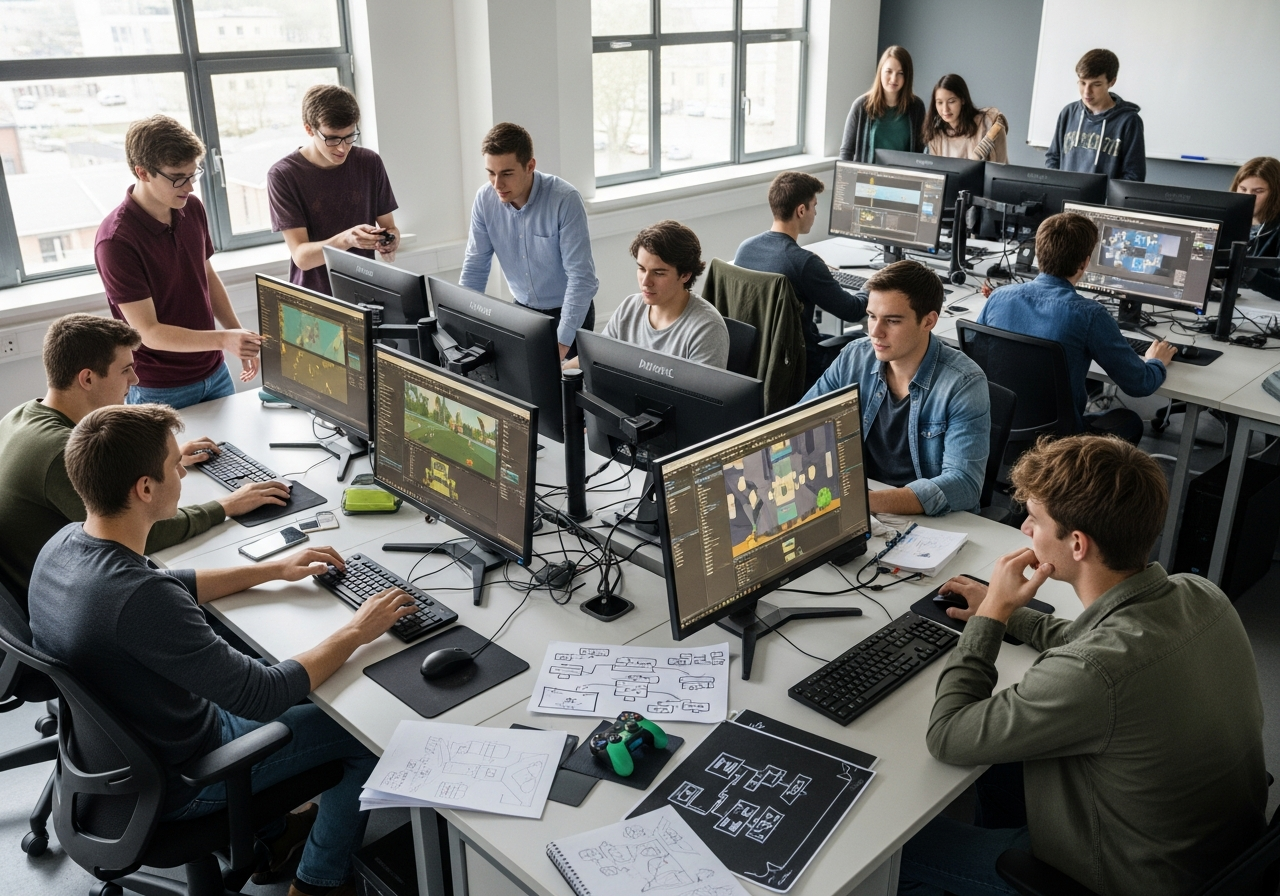
Choosing the right game design program in Canada isn’t about finding the “best” school—it’s about matching your career timeline, learning style, and budget to the program that gets you where you want to go. Whether you’re exploring comprehensive video game design programs or shorter certificate options, Canadian schools offer dramatically different approaches in terms of duration, hands-on learning opportunities, and costs.
This guide focuses on actionable criteria you can apply to make a decision that aligns with your specific career goals. Rather than relying on school rankings alone, you’ll learn to evaluate programs based on curriculum strength, portfolio outcomes, industry connections, and return on investment—the factors that actually determine whether you’ll land the game design role you’re targeting.
What Career Goal Are You Actually Solving For?
Before diving into program comparisons, you need to clarify what career outcome you’re prioritizing. Are you looking for the fastest path into the industry, making a technical shift from another field, or building a comprehensive portfolio from scratch? Each goal demands different program characteristics, and understanding this upfront will save you from choosing based on prestige rather than practical fit.
The Canadian game design landscape offers three main pathways: fast entry through intensive certificates, technical transitions via diploma programs, and comprehensive skill-building through degree programs. Your timeline, existing skills, and financial situation should drive this choice more than any school’s reputation.
Role-driven school selection means prioritizing programs that excel in your target specialization over those with general industry recognition. A level design role requires different preparation than a technical design position, and the best programs align their curriculum, tools, and industry partnerships accordingly.
Common Game Design Career Paths in Canada
Different roles in game design require distinct skill sets and preparation approaches, making program selection highly dependent on your career target.
- Game Designer: Focus on mechanics, player experience, and design documentation—best served by programs emphasizing prototyping and iterative design processes
- Level Designer: Requires spatial design skills and engine proficiency—look for programs with strong Unity or Unreal Engine components
- Technical Designer: Bridges design and programming—prioritize programs with scripting, data management, and tool development courses
- Narrative Designer: Combines storytelling with interactive systems—seek programs offering writing workshops alongside branching narrative tools
- Systems Designer: Focuses on game balance and progression—benefits from programs with analytics, player psychology, and mathematical modeling
- UI/UX Designer: Specializes in player interfaces—requires programs combining visual design with usability testing and player research
How Career Goals Shape Program Selection
Your preferred role should directly influence which program features you prioritize. Technical designers need extensive scripting coursework and tool development experience, while narrative designers benefit more from interdisciplinary programs that include creative writing and interactive storytelling components.
Consider the scope of your target role when evaluating program focus. Generalist game designers might thrive in broad-based programs, while specialists like level designers should prioritize schools with dedicated courses in spatial design, environmental storytelling, and specific engine workflows.
Internship and co-op opportunities become crucial for roles requiring industry connections. Technical positions often have clearer entry paths through academic preparation alone, while creative roles like game design frequently depend on networking, mentorship, and hands-on studio experience that only certain programs can provide.
Degree, Diploma, or Certificate: Which Credential Fits Your Plan?
| Credential | Best for | Typical length | Strengths | Trade-offs |
|---|---|---|---|---|
| Bachelor’s Degree | Career changers, comprehensive foundation | 3-4 years | Broad knowledge base, theory + practice, networking | Highest cost, longest timeline |
| College Diploma | Practical skills focus, faster entry | 2-3 years | Hands-on learning, industry tools, co-op programs | Less theoretical depth, limited research opportunities |
| Certificate Program | Skill upgrading, career switchers | 6 months – 1 year | Focused curriculum, lower cost, flexible scheduling | Limited scope, less networking, minimal theory |
| Bootcamp/Intensive | Rapid skill acquisition, portfolio building | 3-6 months | Intensive focus, industry mentors, job placement support | Very narrow scope, high intensity, limited credentialing |
| Online Program | Working professionals, remote learners | Varies widely | Flexible pacing, location independence, often lower cost | Limited hands-on access, less networking, self-motivation required |
Understanding these credential differences helps you balance learning depth against timeline and budget constraints. Degrees offer the most comprehensive foundation but require the greatest investment, while certificates provide focused skill development for specific career transitions.
Consider your existing background when evaluating credential levels. Career switchers with strong technical skills might thrive in shorter programs, while those new to both gaming and technology often benefit from the structured progression of longer degree programs.
The Canadian job market increasingly values portfolio strength and demonstrated skills over credential prestige, making shorter programs viable for motivated learners who can build impressive project portfolios. However, some larger studios still prefer degree-holding candidates for certain roles, particularly in competitive markets like Vancouver and Toronto.
When a Shorter Program Makes More Sense
Career switchers with existing technical skills often find certificate programs or intensive bootcamps provide faster, more affordable paths into game design. If you already have programming experience, project management skills, or creative backgrounds, shorter programs can focus on game-specific applications rather than foundational concepts.
Financial constraints make shorter programs attractive for many learners, particularly those who cannot afford extended periods without income. Certificate programs typically cost significantly less than degree programs and allow faster transition into entry-level positions where you can earn while continuing to develop skills.
Fast-track goals align well with intensive formats when you have clear specialization targets. If you know you want to focus specifically on level design or technical design, a targeted certificate program might provide better preparation than a broader degree that covers many topics superficially.
How Strong Is the Curriculum for Real Studio Work?
| Curriculum element | Why it matters | Signals of quality |
|---|---|---|
| Level Design Courses | Core skill for most design roles, spatial thinking development | Multiple engine platforms, iterative design process, playtesting integration |
| Gameplay Systems | Understanding mechanics, balance, player psychology | Prototyping emphasis, data analysis components, genre diversity |
| Scripting and Programming | Technical implementation, designer-developer communication | C# or Python focus, engine scripting, version control training |
| Team Project Work | Collaborative workflows, production experience | Cross-disciplinary teams, milestone-based structure, client presentation |
| Prototyping Methods | Rapid iteration, concept validation, communication tools | Paper prototypes to digital builds, user testing integration |
| Industry Tools Training | Professional workflow preparation, portfolio development | Current Unity/Unreal versions, professional asset pipelines |
| Player Research | Data-driven design decisions, user experience optimization | Analytics tools, playtesting methodologies, accessibility considerations |
Strong game design curricula balance theoretical understanding with hands-on application, ensuring students develop both creative vision and technical implementation skills. Programs should emphasize iterative design processes that mirror professional studio workflows, rather than focusing solely on final project outcomes.
Industry-relevant tool training distinguishes professional-prep programs from academic-focused ones. Look for curricula that prioritize current versions of Unity and Unreal Engine, along with collaborative workflows using version control systems like Git and project management platforms used in actual studios.
Interdisciplinary exposure proves crucial for game designers who must communicate effectively with programmers, artists, and producers. Quality programs integrate cross-disciplinary team projects that simulate real studio environments, teaching students to translate creative vision into technical requirements and production timelines.
Must-Have Courses and Tools
Certain curriculum elements appear consistently in successful game design careers, making them essential evaluation criteria when comparing programs.
- Scripting fundamentals: C# or Python programming to communicate with developers and implement basic functionality
- Level design across multiple engines: Hands-on experience with Unity, Unreal Engine, and at least one additional platform
- Team collaboration projects: Multi-semester group work with students from programming, art, and other disciplines
- Playtesting and iteration: Systematic user research methods and rapid prototyping workflows
- Game analytics and balance: Data analysis skills for understanding player behavior and optimizing game systems
- Professional communication: Design documentation, presentation skills, and client interaction training
- Version control and project management: Git, Perforce, or similar systems plus agile development methodologies
Red Flags in Weak Curricula
Outdated software focus represents the most common curriculum weakness, particularly programs still emphasizing older game engines or development tools that studios have moved away from. If a program’s primary engine training focuses on versions more than two years old, it may not prepare students for current industry workflows.
Overly theoretical approaches without practical application often fail to prepare students for studio environments. Programs that spend extensive time on game history or academic game studies without corresponding hands-on development work may leave graduates with knowledge but insufficient skills for entry-level positions.
Lack of collaborative project experience creates graduates who struggle in team-based studio environments. Programs that focus primarily on individual assignments miss the crucial interpersonal and communication skills that game designers need to work effectively with diverse development teams.
Portfolio, Projects, and Industry Proof: What Will You Graduate With?
Your graduation portfolio matters more than your school’s reputation when applying for entry-level game design positions. Studios evaluate candidates based on playable projects, documented design processes, and demonstrated problem-solving skills rather than institutional prestige or GPA.
Strong portfolios showcase range and depth through multiple project types, from individual prototypes to collaborative team games. The best programs structure assignments to build portfolio pieces progressively, ensuring students graduate with polished, professional-quality work that demonstrates both creative vision and technical competence.
- Establish portfolio goals early: Define your target role and research what specific project types those positions require, then ensure your program provides opportunities to create relevant work
- Document your design process: Beyond finished games, maintain detailed records of iteration cycles, user feedback integration, and problem-solving approaches that demonstrate professional thinking
- Focus on playable prototypes: Prioritize functional, testable game elements over elaborate concepts that exist only on paper or in presentation format
- Integrate user feedback systematically: Build playtesting and iteration into every project, showing how you respond to player data and refine designs based on real user experience
- Develop collaborative project documentation: Highlight your specific contributions to team projects while demonstrating ability to work within larger development frameworks
- Create specialty showcase pieces: Develop at least two projects that highlight your particular strengths or target role focus, whether level design, systems design, or narrative integration
What a Job-Ready Portfolio Should Include
Entry-level game design portfolios should demonstrate versatility while highlighting specific strengths that align with target career paths.
- Complete playable levels: At least two polished level designs showing spatial design skills, pacing, and player guidance techniques
- Systems design prototypes: Functional game mechanics with clear documentation of rules, balance considerations, and player engagement strategies
- Collaborative team project: One substantial group game showing ability to work within production constraints and communicate with diverse team members
- Design documentation samples: Professional-quality game design documents, technical specifications, or user research reports that demonstrate communication skills
- Iteration case studies: Before-and-after examples showing how user feedback or playtesting data led to design improvements
- Technical implementation examples: Evidence of scripting ability or technical problem-solving, even if programming isn’t your primary focus
- Specialized portfolio pieces: Projects highlighting your particular career focus, whether narrative design, accessibility features, or specific genre expertise
How Important Are Faculty, Facilities, and Studio Connections?
| Factor | What to check | Why it affects outcomes |
|---|---|---|
| Faculty Industry Experience | Recent studio work, shipped titles, continuing industry involvement | Current industry knowledge, professional networks, realistic project guidance |
| Co-op Placement Quality | Partner studio types, placement rates, meaningful work assignments | Real experience, networking opportunities, potential job offers |
| Equipment and Labs | Hardware specs, software licenses, availability hours | Project quality limitations, collaborative workspace access |
| Guest Speaker Programs | Frequency, speaker seniority, interactive opportunities | Industry insights, networking potential, mentorship connections |
| Alumni Network Strength | Graduate placement rates, career progression, ongoing school involvement | Job referrals, mentorship opportunities, industry connections |
| Studio Partnership Programs | Formal agreements, project sponsorships, recruitment relationships | Direct job pipelines, real client work experience, industry validation |
Faculty with recent industry experience provide invaluable insights into current studio practices, hiring trends, and professional expectations that purely academic instructors cannot match. Look for programs where instructors maintain active connections to working studios, whether through consulting, contract work, or ongoing professional development.
Facilities and resources directly impact your ability to create portfolio-quality work and collaborate effectively with classmates. Inadequate hardware, limited software access, or restricted lab hours can constrain your learning and project development, particularly for resource-intensive game development work.
Studio connections and co-op programs offer the most direct path from education to employment, providing networking opportunities and real-world experience that purely classroom-based programs cannot replicate. Programs with strong industry partnerships often achieve significantly higher job placement rates for graduates.
Questions to Ask About Industry Access
When evaluating programs, ask specific questions about industry connections and practical experience opportunities.
- What percentage of students complete co-op placements, and at what types of companies? Look for specific placement rates and examples of partner studios rather than vague promises
- How often do guest speakers visit, and do students have direct interaction opportunities? Regular industry talks with networking components provide more value than occasional large presentations
- What ongoing relationships do faculty maintain with working studios? Instructors who consult or work part-time in industry bring current insights and potential job referral opportunities
- Can you connect me with recent graduates to discuss their career progression? Direct alumni contact provides unfiltered perspectives on program effectiveness and job market preparation
- Do students work on real client projects or studio-sponsored challenges? Authentic client work experience provides both portfolio enhancement and professional skill development
Why Campus Resources Matter for Game Design
Game development requires specialized hardware and software that many students cannot afford independently, making campus resource quality crucial for project development and collaborative learning. High-end workstations, VR equipment, and professional software licenses enable students to create portfolio pieces that demonstrate technical competence and creative ambition.
Collaborative workspace design affects team project quality and peer learning opportunities. Programs with dedicated game development labs, team meeting spaces, and flexible work areas support the intensive collaboration that mirrors professional studio environments and builds essential interpersonal skills.
Extended access hours and resource availability determine how much time students can dedicate to project development beyond scheduled class time. Programs that provide 24/7 lab access and comprehensive technical support enable motivated students to develop more sophisticated portfolios and gain deeper hands-on experience with professional tools and workflows.
How to Compare Tuition, Duration, and Return on Investment
| Cost factor | What it includes | How to evaluate value |
|---|---|---|
| Direct Tuition Costs | Program fees, technology fees, lab access charges | Compare per-credit costs and total program investment against curriculum depth |
| Living Expenses | Housing, transportation, food, materials | Factor location costs—Vancouver and Toronto significantly more expensive |
| Opportunity Cost | Lost wages during full-time study, delayed career progression | Calculate against current earning potential and time to program completion |
| Financial Aid Access | Government loans, grants, scholarships, work-study programs | Research provincial aid eligibility and school-specific funding opportunities |
| Equipment and Software | Personal computer, software licenses, development tools | Determine what school provides versus what you must purchase independently |
| Job Placement Outcomes | Employment rates, starting salaries, career progression timelines | Request specific graduate outcome data and alumni career tracking |
ROI calculations for game design programs must account for both direct costs and opportunity costs, particularly the income forgone during full-time study. Shorter programs often provide better ROI for career changers who need to minimize time away from earning income, while longer programs may offer better long-term career prospects through deeper skill development and stronger industry connections.
Geographic location significantly impacts total program costs, with Vancouver and Toronto programs typically requiring substantially higher living expenses that can double total investment beyond tuition alone. Consider whether location-based industry access justifies additional costs, or whether smaller markets offer adequate opportunities at lower overall investment.
Graduate employment outcomes provide the most reliable ROI indicators, though programs may present data selectively. Request specific information about job placement rates, starting salary ranges, and career progression timelines for graduates in your target role area, and seek opportunities to speak directly with recent alumni.
Budget Planning Before You Apply
Comprehensive budget planning should account for both visible and hidden costs throughout your program duration. Beyond tuition, factor in living expenses, equipment purchases, software subscriptions, and potential income loss during co-op or internship periods that may be unpaid or below your current earning level.
Financial aid research should begin early, as application deadlines and eligibility requirements vary significantly between programs and provinces. Government student loan limits may not cover full program costs at expensive schools, making private financing or part-time work necessary to bridge funding gaps.
Emergency funding considerations become crucial for longer programs where unexpected expenses or economic changes could force program withdrawal. Maintain accessible savings equivalent to at least one semester’s expenses, and investigate program policies regarding payment deferrals or temporary withdrawal options that preserve your investment.
Which Canadian Schools Deserve a Closer Look?
Canadian game design education offers several standout programs, each with distinct strengths that align with different career goals and learning preferences. Rather than ranking these schools, understanding their particular advantages helps you identify the best fit for your situation.
Geographic distribution of quality programs means you can find excellent options across Canada, though concentration in Vancouver, Toronto, and Montreal reflects industry cluster locations. Consider whether being in a game development hub justifies higher living costs and increased competition, or whether emerging markets offer better opportunities for new graduates.
- Sheridan College (Ontario): Renowned for collaborative projects and industry partnerships, particularly strong in game art and design integration
- Vancouver Film School (British Columbia): Intensive programs with high industry placement rates, excellent for fast-track career entry
- LaSalle College (Quebec): Bilingual advantage in Montreal’s growing game scene, strong technical design focus
- NAIT (Alberta): Practical, hands-on approach with excellent co-op programs and growing connections to Western Canadian studios
- George Brown College (Ontario): Toronto-based with strong ties to local indie scene and mobile game development focus
- University of Ontario Institute of Technology: Degree-level programs combining academic rigor with practical application
- Centre for Arts and Technology (Multiple locations): Accelerated programs with focus on immediate employability and portfolio development
How to Build a Shortlist
Creating an effective shortlist requires systematic evaluation based on your priority criteria rather than general reputation or convenience factors.
- Define your non-negotiables first: Establish absolute requirements for timeline, budget, location, or specialization focus that eliminate programs regardless of other qualities
- Research specific program outcomes in your target role: Look beyond general job placement rates to find data about graduates in your particular career focus area
- Contact current students and recent graduates: Social media and LinkedIn provide direct access to people who can offer unfiltered perspectives on program reality versus marketing claims
- Visit campus or attend virtual information sessions: Direct interaction with faculty and staff reveals program culture and teaching approach better than website materials
- Evaluate portfolio examples from graduates: Review student work showcased by programs to assess whether output quality matches your career goals
- Compare total investment against realistic career timelines: Factor program costs, living expenses, and opportunity costs against expected starting salaries and career progression timelines
Final Fit Checks Before You Apply
Before submitting applications, conduct final validation checks that can prevent costly mistakes or misaligned expectations. Review admission requirements carefully, ensuring you can meet not just minimum qualifications but also compete effectively with other applicants for limited program spots.
Student portfolio reviews and information sessions provide insight into program culture and learning environment that marketing materials cannot convey. Pay attention to how current students discuss their experience, faculty accessibility, and the balance between supportive learning and professional preparation intensity.
Consider program flexibility and support systems, particularly if you’re making a significant career transition or have family responsibilities that might affect your ability to maintain full-time study intensity. Programs with strong student services, flexible scheduling options, or accommodations for non-traditional students often provide better outcomes for career changers than those designed primarily for recent high school graduates.